
Dimensional lighting: How the science behind it can boost sales, create experiences and change moods.
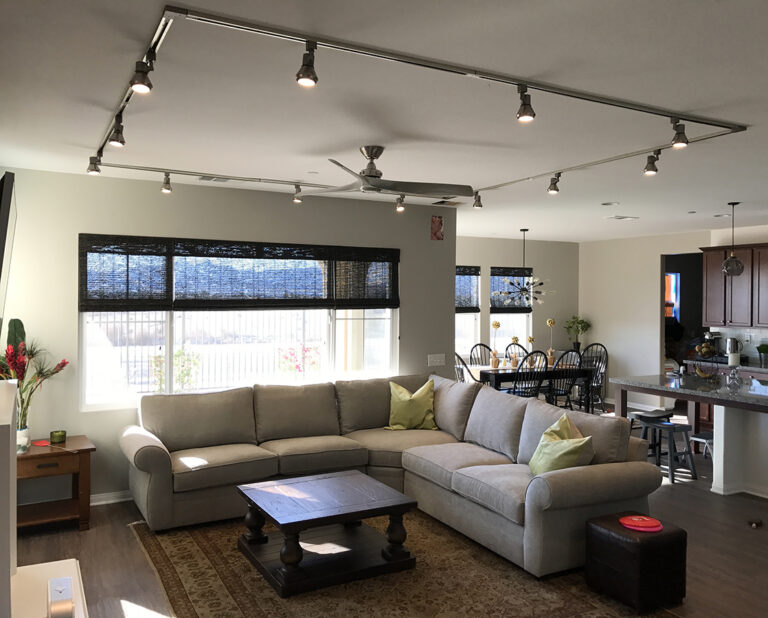
Lighting has evolved far beyond the flickering glow of oil lamps and candles. Today, with options like color temperature and beam spread, we can craft combinations that do more than just illuminate—they set the stage for specific tasks, evoke moods, and create immersive experiences. Track lighting, in particular, stands out as a versatile tool, offering a single system where each fixture serves a unique purpose. This “dimensional” approach allows you to layer effects, transforming a space into something dynamic and purposeful.
The Science:
How Lights Create a 3D Effect
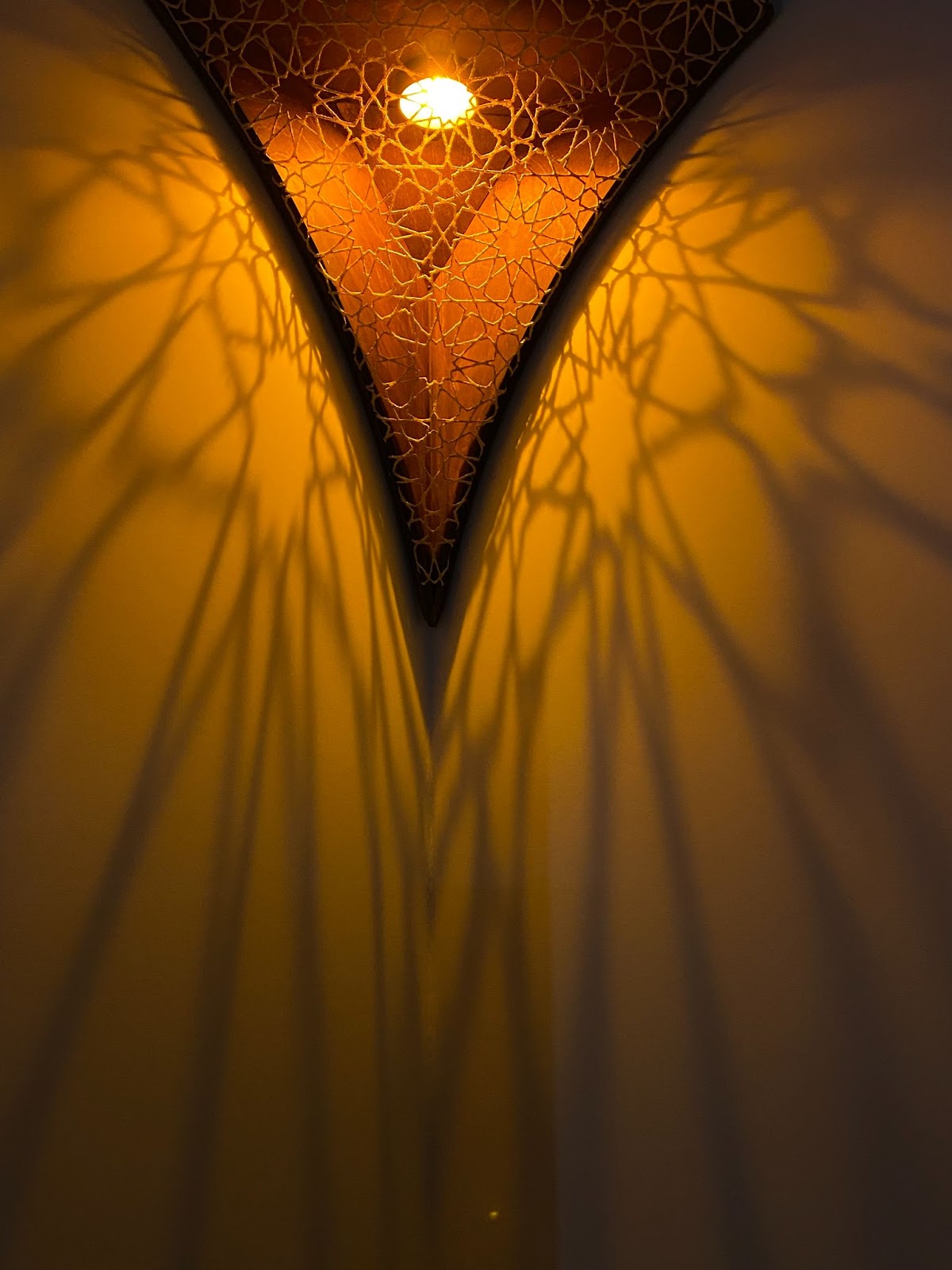
Lighting isn’t just about visibility—it’s about perception. By manipulating direction, placement, and brightness, you can sculpt shadows and highlights that give depth and focus to objects or areas. Shadows add a sense of dimension, making an item pop, while highlights draw attention to its best features. Layering additional lights can reveal complementary elements, enhancing the overall effect.

- Beam Spread: A narrow beam zeroes in on an object, emphasizing shadow play, while a wide beam illuminates the surrounding display or environment.
- Filmmaking Example: Directors use this to great effect. Light from above casts shadows that obscure eyes and sharpen hard features like the forehead and chin, creating a sinister vibe. Side lighting at eye level softens features, making someone appear younger and happier. Background brightness seals the mood—bright for cheer, dim for unease.
This science of dimensionality turns flat spaces into living, breathing scenes.
Mood and Atmosphere
Beyond direction and brightness, color temperature plays a starring role in shaping mood:
- Warm Tones (e.g., 2700K): Think cozy and safe—perfect for relaxation.
- Cool Tones (e.g., 5000K): Sharp and alert—ideal for productivity.
By tailoring lighting to a space’s purpose, you can craft targeted experiences. Retail spaces, for instance, might use warm, wide-beam lighting to welcome shoppers, while backlighting a display adds drama to draw them in. Narrow-beam directional lights with higher lumens spotlight key products, and cooler-toned task lighting behind the counter boosts staff efficiency. One space, multiple moods—all by design.
Dimensional Lighting Techniques
At Total Lighting Supply, we rely on a handful of tried-and-true techniques to achieve these effects:
- Up lighting: Lights from below add drama, highlighting textures—like trees, flags, or signs.
- Wall Washing: A broad wash of light creates spaciousness and sets the mood with a reflective backdrop.
- Backlighting: Illumination from behind casts shadows, separating an object from its surroundings to grab attention.
- Silhouetting: A bright light in front of a subject throws a shadow onto a backdrop, adding texture and intrigue.

These methods are the building blocks of customized lighting experiences.
Application
Retail and Commercial Spaces
Lighting can make or break a shopping experience. Warm, wide-beam lighting fosters a sense of calm, encouraging customers to linger. Highlighting high-ticket items with narrow beams or backlighting drives sales by drawing eyes to what matters. Furniture stores use it to mimic a cozy home vibe, while warehouses and offices lean on 4000K daylight tones to mimic the sun’s energizing effect, keeping workers sharp. Check out some of Total Lighting Supply’s featured retail projects here for inspiration.
Residential
Designers know lighting is a secret weapon. They layer it to reflect a homeowner’s personality—focal illumination on artwork, wall washing to expand rooms, or cozy pools of light for defined areas. Light pulls out complementary colors, makes focal points like fireplaces pop, and adds sparkle to cherished objects, giving spaces symmetry and soul.
Theater, Film, Photography, and Stage
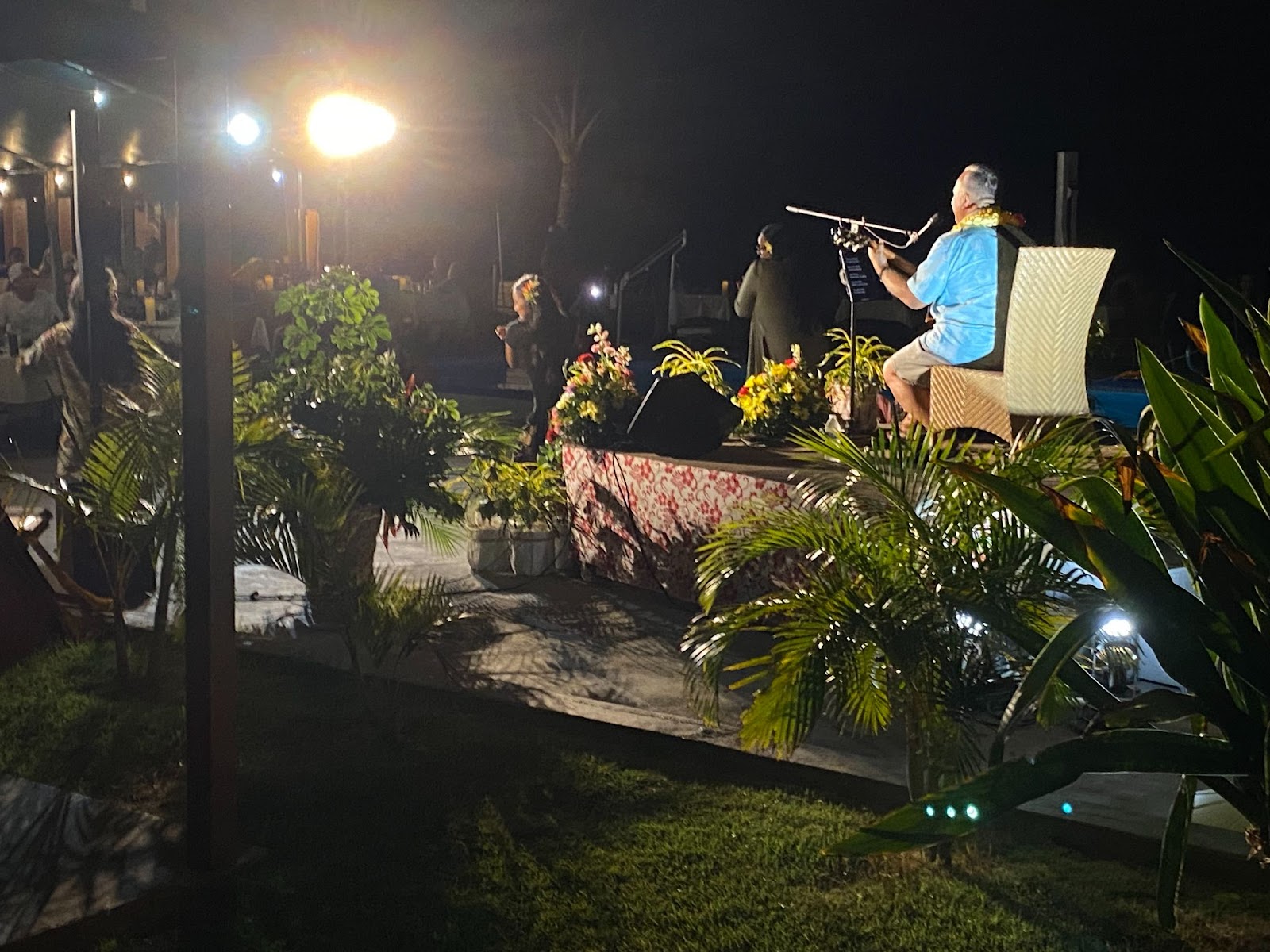
In performance, lighting is drama’s best friend. Spotlights zero in on stars, uplighting intensifies set pieces, and dynamic shifts sync with the show to heighten emotion. Photographers wield it to age or youthify subjects, or capture a moment’s essence. Track lighting shines here, offering precision and adaptability in one package. Lighting designers. Also use shadows to help bring depth to a scene. If this applies to retail. Also you need depth, shadows, areas where it’s bright.. all working together to create a scene that’s interesting and exciting.
How Track Lighting Makes It Happen
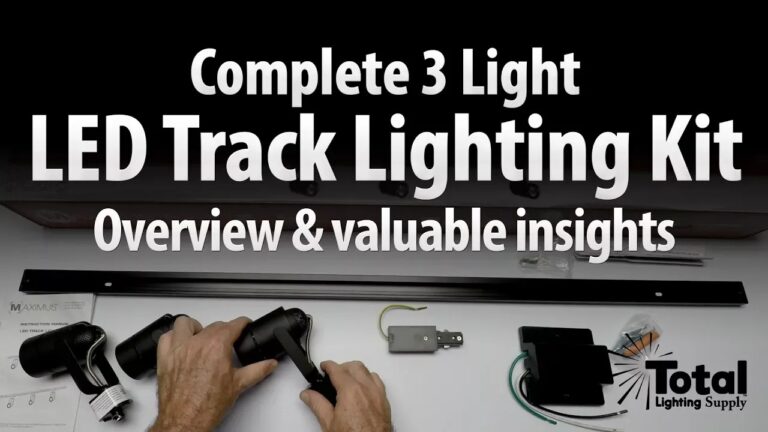
This all sounds complex, but track lighting simplifies it. A single system can house:
- Large Fixtures: High-lumen bulbs with wide beams for wall washing and ambiance.
- Small Fixtures: Narrow beams and specular bulbs for pinpoint highlights.
- Medium or Pendant Lights: Soft or harsh direct downlighting.
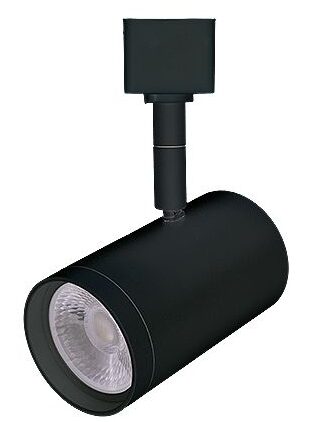
Want flexibility? Fixtures with adjustable CCT let you switch color temperatures on the fly, adapting to evolving needs. Dimmers tweak the vibe—say, dimming wall wash lights for coziness while keeping task lights bright. Dual-circuit tracks take it further, letting you control sets of fixtures independently. It’s cost-effective too—no need for extra systems, and it evolves with your space.
Lighting is an unsung hero in space design. It boosts sales, crafts experiences, and shifts moods—all with a flick of a switch. Don’t let its potential go untapped. Need a starting point? Total Lighting Supply’s experts are here to help. Try our custom design tool to spec out your needs, or reach out at Support@totallightingsupply.com —we’re quick to respond. Light up your world, your way.